
JACKIE BOHANNON
Guest Writer
news@lbknews.com
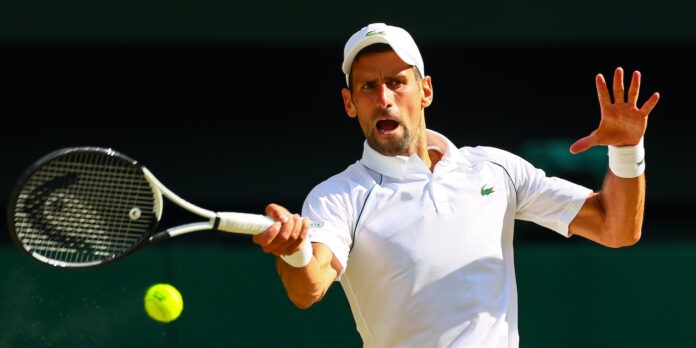
When receiving serve in doubles, the receiver should stand slightly behind the baseline. When the server hits the ball, the receiver should split step. If the serve is hard and the receiver is struggling, they should back up until they can comfortably return the serve. If the server has a weak serve, the receiver should move forward until they can comfortably receive the ball without letting it drop. If you are playing someone significantly better than you, you could potentially stand 10 feet behind the baseline. If you are playing someone much weaker than you, you may stand right behind the service line. You should always adapt to your opponent.
When the receiver is returning serve the receiver’s partner should stand on the service line for three important reasons. Firstly, they need to watch the service line, so they can call the ball out if the serve is long. Secondly, they stand at the service line so that if their partner hits to the net player they have time to react if they are attacked. Finally, the receiver’s partner starts at the service line so they can protect the middle. Once the receiver hits a good return of serve (i.e. cross court or a lob over the net player) then the receiver’s partner should move in. If the receiver is having difficulty with the serve or the server’s partner is poaching it is also acceptable for the receiver’s partner to start the point at the baseline. If you are having a difficult time receiving serve, having your partner come back to the baseline can significantly reduce your stress level and increase your likelihood for success. While it is a more defensive formation, it doesn’t matter if it calms your nerves and gives you a greater chance of getting the return back. Some players also report they can see the serve better when their peripheral vision is not obstructed by their partner at the net.
The most important strategy when returning serve is to get it in. Missing a return of serve is equivalent to a double fault. Don’t beat yourself! Most of your returns should go cross court. If you hit them well, angled and low, even if they poach you will be successful. Occasionally mix in a lob to keep them honest, and if you find yourself significantly inside the baseline take an offensive opportunity and go for the down the line winner. There are many strokes, strategies, and positions to consider when playing high percentage doubles. Hopefully these tips will help you feel more confident the next time you and your partner are receiving serve.
Jackie Bohannon is the Director of Tennis at the Bird Key Yacht Club.

