
STEVE REID
Editor & Publisher
sreid@lbknews.com
On the tennis courts of Longboat Key, there are two obstacles in the sky wreaking havoc on the uninitiated: the searing sun and a soaring lob. Often,

they are conjoined.
At the Longboat Key Club, one of the constants is the complete disgust and hate some have for lobbers—especially among the net hoverers and self-appointed baseline specialists. I’ve witnessed appeals to have lobbers removed from tennis groups, only to relent the initiative, but continue the resentment.
The net denizens want to rush in after they serve, but their serves are often easily managed, giving the returner options—one being the lob. The face of someone beaten by an effective topspin lob is the face of a person watching their life slip away for a split second. Then, in doubles, the edict is “two side-by-side” at the net. The lob comes, and since the majority of the players are in their 70s, sprinting to the back of the court is traded for expletives. After the match you will hear, “I hate lobbers,” spoken as if they are a subclass of humanity, like an untouchable in India.
But here is the hard truth: Hating the lob won’t make it land out. The lob is not a breach of etiquette; it is a tactical checkmate. If you want to stop the cursing and start winning, you have to stop treating the lob as an insult and start treating it as a geometry problem.
Defending the Airspace
The first step in dismantling a serial lobber is positioning. The “net hoverers” mentioned earlier are often the architects of their own demise. If you stand on top of the net, practically breathing on the tape, you are begging to be lobbed.
The fix? Back up. In doubles, unless you are hitting a put-away volley, your default position should be slightly deeper, around the service line or just inside it. This gives you a few extra feet of buffer to track back for a high ball. It forces the lobber to hit a perfect shot to beat you, rather than just a lucky, shallow one.
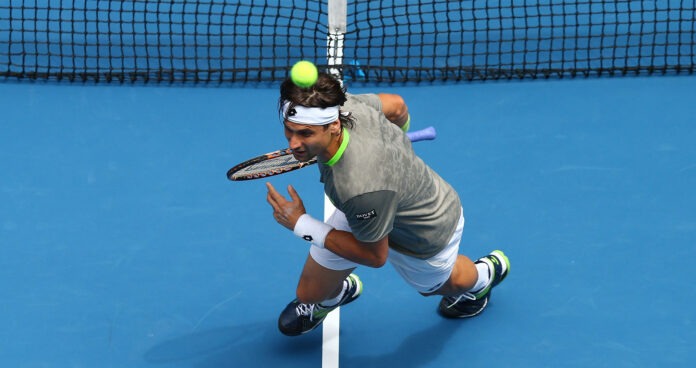
Second, you must master the overhead smash. The lobber relies on your insecurity. They know that looking up into the Florida sun is disorienting. When the ball goes up, turn your body sideways immediately—point your non-racket hand at the ball. Do not backpedal; side-step or scissor-kick back. If the lob is too deep to smash, let it bounce. There is no shame in resetting the point.
Making the Lobber Lose
To beat the lobber, you must understand their psychology. Lobbers love rhythm, and they love when you provide the pace. They use your power against you. To break them, you must disrupt their comfort zone.
1. Bring Them In: Most inveterate lobbers are baseline campers. They hate the net. Use drop shots to drag them forward. Once they are in the forecourt, their favorite weapon—the high, arching defensive ball—becomes useless. They will be forced to volley, often poorly.
2. Punish the Short Ball: A lobber needs time to get under the ball to lift it. If you hit deep, heavy shots to the corners, they are forced to scramble. A scrambling lob is usually a short lob, which is lunch for your overhead.
3. The “High-Low” Strategy: If you are stuck at the baseline exchanging moonballs, don’t try to blast through them. Wait for the right moment to hit a low, slicing shot. It is very difficult to generate a high, topspin lob off a ball that is skidding around the ankles.
The Pros Do It, Too
If you think the lob is “pushing” or “hack tennis,” look at the professional tour. The lob is a staple of the elite game, used not just for defense, but to turn a losing point into a winner.
Andy Murray is perhaps the modern king of the lob. He lulls opponents into a false sense of security at the net, only to flick a topspin winner over their heads that lands inches from the baseline. Lleyton Hewitt made a career out of the defensive lob, keeping points alive until his opponent made an error. Even Novak Djokovic, the ultimate baseliner, uses the lob to neutralize aggressive net-rushers.
On the women’s side, Agnieszka Radwańska was a magician, using the lob to dismantle power hitters who thought they had overpowered her.
So, the next time you are on the courts of Longboat Key and the ball goes soaring into the sun, don’t curse the player on the other side. Respect the tactic, adjust your feet, and smash it back. The only thing sweeter than hitting a winner is hitting an overhead winner off a lobber who thought they had you beat. The only thing they will return is an expletive while fetching the ball from the back fence.

